

 By
By 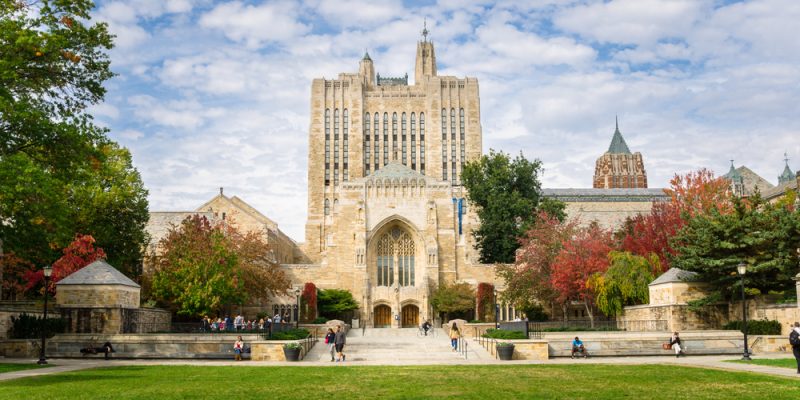

Here’s why international students should consider the EB-5 Program visa a better option than the common F1, J1, and M1 student visas.
USCIS is facing a new backlog for processing international student work visas (Optional Practical Training program). The delay is causing top international students from universities like Yale, Columbia and Princeton to be unable to start their internships.
According to the NY Times, many U.S. universities have noticed a decline in international student applications and they are blaming the jammed student visa system as hindering their ability to recruit top talent.
Ideally, once international students are trained and educated at top universities the U.S. would encourage them to stay as much as the students wish to stay. Until that happens, international students must choose a visa that works best for their future–and EB-5 is likely the best option.
Additionally, beyond being able to make the required investment, there are no eligibility requirements (no age limits, skill requirements, health requirements, language requirements, or sponsorship requirements).
The EB-5 Program gives foreign nationals and their immediate family members green cards in return for investing $500k in a U.S. new commercial enterprises. The primary benefits for foreign nationals looking to study in the U.S. include:
- The EB-5 Program allows students to stay in the U.S. indefinitely and work in any profession. Students who wish to study in the U.S. will want to seek employment at the end of their educational programs and other visa programs will strictly prohibit this.
- The EB-5 Program will allow them to stay in the U.S. and without restrictions to not only what employment opportunities they can apply for, but also what they can study, where they can live, and what further investments they can make.
- Unmarried children under the age of 21 can apply for the EB-5 visa under their parent’s principal EB-5 application and move to the U.S. as a family.
- Once an EB-5 investor and their family establishes residency in the U.S. they may be able to qualify for in-state tuition at certain universities, potentially saving thousands of dollars.
- Five years after obtaining conditional permanent residency they may qualify for U.S. citizenship.
A look at the main international student visa options:
F1 Visa: The F1 visa is the most common of the international student visas. It allows international students to pursue academic studies of English Language Program studies in the U.S. While this visa has many benefits, these benefits can also be seen as downsides and here’s why.
- It has strict eligibility requirements.
- The F1 requires international students to take a full course load, maintain full-time student status, and they must complete their studies before the expiration of their I-20 Form. This required course load may hinder international students’ ability to pursue other interests or gain job experience while studying.
- The F1 allows for on-campus part-time work of less than 20 hours a week. While this sounds beneficial, it also presents problems because it prevents international students from earning more money to pay for their courses, it means they must have adequate funds set aside for their education, and it restricts the types of jobs they can have preventing them from being employed in their fields of study.
- The F1 allows international students to work for up to one year after their studies have been completed in the Optional Practical Training program, but as was stated above, this program is facing a backlog and has caused many students to miss their strict deadline for working in the program.
J1 Visa: The J1 visa allows international students to enter a practical training program in the U.S. if, and only if, it is not an available study option in their home country.
- The J1 visa has similar employment restrictions and eligibility to the F1 visa.
- The J1 visa requires an international student to typically only work for their accredited program sponsor.
M1 Visa: The M1 visa is for international students studying in a non-academic or vocational program.
- The M1 visa has strict eligibility requirements.
- The M1 visa holder cannot work during their studies.
- The M1 visa therefore requires all international students to provide evidence of their ability to pay all program costs and living expenses for the duration of their school stay.
Further more, after the completion of these visa programs, students must return to their home country, whereas, with the EB-5 visa they can stay indefinitely and do not have to worry about any renewal requirements.
Compared to the common international visa options, the EB-5 visa is a strong alternative. The ability to stay in the U.S. without restriction and work anywhere in the country is a huge draw for international students. The EB-5 visa is one of the strongest pathways to the American dream.
For more information about the EB-5 Program as an option for international students and their immediate family, send us a message.


Comments